
When a dog starts eating poop while sick, it can be confusing and concerning, especially if this is a new behavior.
Some dogs eat feces because of normal scavenging or learned behavior, but illness can sometimes contribute to coprophagia, the medical term for eating stool.
A sick dog may eat poop for different reasons depending on what is wrong. Digestive problems, parasites, poor nutrient absorption, increased appetite, or certain medications can make stool eating more likely.
In other cases, the illness and the poop-eating may simply occur at the same time without one directly causing the other.
If your dog is sick and suddenly begins eating poop, the other symptoms matter. Changes in appetite, diarrhea, vomiting, weight loss, weakness, or abnormal stools can provide important clues about whether an underlying medical problem needs attention.
Table of Contents
Dog Eating Poop When Sick: Why It Happens
A sick dog may eat poop because illness can affect appetite, digestion, nutrient absorption, or the smell and composition of the stool. Some medical conditions cause food to pass through the digestive tract without being properly digested or absorbed, leaving more nutrients in the feces and potentially making the stool more appealing to the dog.
Illness can also increase hunger. If a dog is not absorbing nutrients normally, has certain metabolic diseases, or is taking medications that increase appetite, it may become more interested in food and food-like items, including feces.
However, not every dog that eats poop while sick is doing so because of the illness. Dogs can develop the habit independently, particularly if they have a history of scavenging.
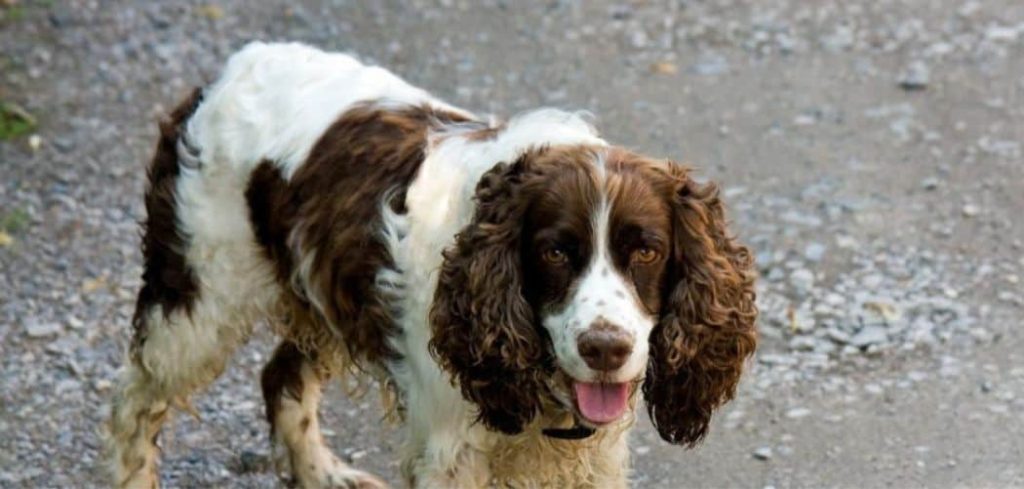
Dog Eating Poop When Sick: Common Causes
Gastrointestinal Upset
Digestive upset can sometimes contribute to poop eating. Conditions affecting the stomach or intestines may alter digestion, stool consistency, appetite, or the way nutrients are absorbed.
A dog with gastrointestinal disease may also have diarrhea, vomiting, abdominal discomfort, constipation, changes in appetite, or weight loss.
If the poop eating appears at the same time as these symptoms, the digestive problem deserves attention rather than assuming the behavior is simply behavioral.
Related: Dog eating poop and throwing up (Why it happens)
Intestinal Parasites
Parasites are another possible reason a sick dog may suddenly start eating poop.
Intestinal parasites can interfere with digestion or nutrient absorption and may cause diarrhea, poor growth, weight loss, increased appetite, or other digestive changes.
Some dogs with parasites have few obvious symptoms.
This is particularly relevant in puppies, which are commonly affected by intestinal parasites.
Hookworms, roundworms, whipworms, and other parasites can cause digestive problems ranging from mild signs to more significant illness.
A fecal examination can help determine whether parasites are contributing to the problem.
Related: Dog eating poop and has diarrhea (Causes and what to do)
Poor Nutrient Absorption
Malabsorption occurs when a dog cannot properly digest or absorb nutrients from food. This can happen with certain intestinal diseases or problems involving digestive enzymes.
Dogs with malabsorption may lose weight despite eating well and can sometimes develop excessive or unusual eating behaviors, including eating feces.
Long-term diarrhea is common, but it is not always present.
Exocrine pancreatic insufficiency, for example, can interfere with digestion and nutrient absorption. Affected dogs may have weight loss, altered appetite, and abnormal stools.
Increased Hunger From Illness
Some illnesses can cause a dog to become unusually hungry. When a dog feels constantly hungry, it may begin scavenging for things it would normally ignore.
Diabetes and intestinal parasitism are among the medical conditions associated with increased appetite.
If a dog is eating more than usual while losing weight, failing to grow normally, or showing other changes, veterinary evaluation is appropriate.
Related: Dog eating poop side effects (Potential side effects)
Medication-Related Increased Appetite
Certain medications can increase appetite and food-seeking behavior. Corticosteroids such as prednisone are a well-known example.
Steroid treatment can contribute to stool eating by increasing appetite. If your dog started eating poop after beginning a medication, the timing is worth mentioning to the veterinarian.
Do not stop or change a prescribed medication without veterinary guidance.
Stool From Another Sick Animal
Sometimes the illness is not in the dog eating the poop but in the animal that produced the stool.
Dogs are natural scavengers and may be attracted to feces containing undigested food material.
Dogs may also develop a preference for the stool of another animal when that animal has a condition affecting digestion and leaves more nutrients in its feces.
This does not mean that eating another animal’s stool will make your dog sick, but feces can contain infectious organisms and parasites, so repeated access should be prevented.
Decreased Appetite Followed by Scavenging
A sick dog may initially eat less and later become interested in unusual food sources as its appetite returns. This can sometimes look like a sudden onset of coprophagia.
However, a dog that has been refusing food and then begins eating feces should still be watched for other signs of illness.
A temporary change in appetite is different from persistent hunger, weight loss, or ongoing digestive abnormalities.
Behavioral Coprophagia Happening During Illness
Not every case has a medical explanation. A dog may already have a habit of eating poop and simply happen to continue the behavior while sick.
Puppies are especially prone to investigating and eating feces as part of exploratory or scavenging behavior.
Some dogs also develop a learned habit after repeated opportunities to access stool.
Therefore, the presence of illness does not automatically mean the illness caused the poop eating.
Dog Eating Poop When Sick but Still Eating
A dog eating poop when sick but still eating may be responding to changes in digestion, appetite, or nutrient absorption.
Some illnesses can alter the smell or consistency of stool, while gastrointestinal problems may leave partially digested food in the feces and make it more appealing.
Increased hunger caused by certain conditions or medications can also contribute to coprophagia.
Still eating is reassuring because it suggests the dog has not completely lost its appetite, but it does not rule out illness.
If the poop-eating is a new behavior that started around the same time as vomiting, diarrhea, increased thirst, weight changes, or other symptoms, the underlying illness should be assessed by a veterinarian.
Dog Eating Poop When Sick and Losing Weight
A dog eating poop when sick and losing weight may have an underlying problem affecting digestion, nutrient absorption, appetite, or metabolism.
Intestinal parasites, chronic gastrointestinal disease, pancreatic problems, and other conditions can interfere with nutrient absorption and may cause increased hunger or changes in stool that encourage coprophagia.
Weight loss combined with a new or persistent poop-eating habit deserves veterinary evaluation rather than being treated as a behavioral issue alone.
The veterinarian may need to assess the stool, diet, digestive function, and overall health to determine why the dog is losing weight.
Dog Eating Poop When Sick and Having Diarrhea
A dog eating poop when sick and having diarrhea may be experiencing gastrointestinal upset that changes the smell, texture, and composition of its stool.
Dietary indiscretion, intestinal parasites, infections, food intolerance, and other digestive disorders can cause diarrhea and may also alter appetite or scavenging behavior.
Diarrhea can also lead to dehydration and nutrient losses, particularly when it is frequent or prolonged.
If the dog has persistent diarrhea, blood or black stool, repeated vomiting, weakness, abdominal pain, dehydration, or continued weight loss, veterinary assessment is important.
Related: Dog Eating Poop and Drinking Pee (Why it happens)
When to Call or Visit the Vet
Contact your veterinarian if your dog is eating poop while sick and has any of the following:
Persistent or worsening diarrhea
Repeated vomiting
Blood in the stool or black, tarry stool
Significant loss of appetite
Unusually increased hunger
Weight loss despite eating
Poor growth in a puppy
Marked weakness or lethargy
Signs of dehydration
Abdominal pain, swelling, or discomfort
Persistent abnormal or poorly digested-looking stools
Repeated poop eating that begins suddenly in an adult dog
Known or suspected exposure to intestinal parasites
Puppies, older dogs, and dogs that are already significantly unwell may need earlier evaluation, particularly when multiple symptoms occur together.
Dog Eating Poop When Sick: Treatment
Treatment depends on why the dog is sick and whether the illness is contributing to the coprophagia.
The veterinarian may perform a physical examination and recommend fecal testing for parasites, blood tests, and other diagnostic tests based on the dog’s symptoms.
If poor digestion or malabsorption is suspected, additional testing may be needed.
Treatment may involve addressing parasites, gastrointestinal disease, nutritional problems, or another underlying condition, while behavioral management is considered if the poop eating continues after the medical problem is controlled.
Key Takeaway
A dog eating poop when sick can sometimes be connected to the illness, particularly when the condition affects appetite, digestion, nutrient absorption, or stool composition.
Parasites and gastrointestinal disorders are among the possible medical contributors, while certain medications can also increase appetite and make stool eating more likely.
At the same time, sickness does not automatically explain coprophagia.
If the behavior is new or occurs alongside diarrhea, vomiting, weight loss, unusual hunger, weakness, or other changes, identifying the underlying illness is more important than treating the poop eating as a behavioral problem alone.


